Mama Africa · Afro parties since 2017
What is Amapiano? Music, origins & sound
Amapiano is the South African house sound that conquered the world, with the deep log drum as its signature. Here is how to recognise it, where it comes from and how people dance to it.
Amapiano is a music genre from South Africa: a slow, deep style of house music with jazzy piano chords and a rolling bass you feel before you hear it, known as the log drum. The name roughly means “the pianos” in isiZulu. Within a few years, Amapiano grew from a local township sound into one of the best-known African genres in the world. At Mama Africa, the first event of its kind in the Netherlands, it is strictly Afrobeats all night, from the first track to the last. At our special editions, Deep Origin takes over a second room with Amapiano, Afro house and Afro tech.
How to recognise the sound
You can recognise Amapiano music by three things:
- The log drum. A deep, percussive bass that plays like a melody and rolls on heavily. If one sound defines Amapiano, it is this one.
- Piano and chords. Warm, often jazzy piano chords and long, floating synths, with plenty of space between the sounds.
- The tempo. Amapiano is more laid-back than a lot of house: often a relaxed, danceable tempo. Tracks build slowly, and the tension comes from what drops out and what comes back.
On top of that come shakers, percussion and vocals: sometimes full verses, often short chants and call-and-response in languages like isiZulu, Sesotho, Setswana and English.
Amapiano history: origins and development
Which country is Amapiano from? South Africa, and more specifically the townships of Gauteng province around Johannesburg and Pretoria. The sound took shape in the mid-2010s. Its exact birthplace is still debated, with several townships around Johannesburg and Pretoria laying claim to it.
Amapiano built on South African styles that already existed: kwaito, deep house and jazz, plus the Pretoria style known as bacardi. Young producers often made tracks at home on a laptop and shared them via WhatsApp, YouTube and streaming platforms, long before radio caught on.
Around 2019 and 2020, the genre broke through across South Africa. Producers Kabza De Small and DJ Maphorisa, together known as Scorpion Kings, became the faces of the sound. During the 2020 lockdowns, livestreams and dance videos travelled worldwide, and from there it moved fast: Nigerian artists began blending Amapiano with Afrobeats, and in 2023 Tyla’s “Water” became a global hit. It went on to win the very first Grammy for Best African Music Performance in 2024.
Instruments and rhythm explained
If you are not a producer, think of Amapiano as three layers. At the bottom sits the log drum, which is bass and rhythm at the same time. It plays short, deep notes that can land just off the beat, which gives the track its swing. In the middle are the piano and synths, with chords that often come from jazz and soul. On top are the shakers, hi-hats and voices that keep things moving.
What sets Amapiano apart from a lot of dance music is space. It does not hammer at you all the time. A producer takes out the log drum, leaves just the piano and a voice, then drops the bass back in. On the dance floor, that is the moment everyone reacts at once.
The genre now has its own sub-styles, such as the softer, jazzier “private school piano” associated with Kelvin Momo, among others.
How to dance to Amapiano
Amapiano comes with its own way of dancing. Dance videos on social media have driven the scene from the start. In 2023 the dance challenge to Tyla’s “Water” went around the world. New moves often go viral through short dance videos. You don’t need to know them: at a Mama Africa night you will pick them up from the people around you.
Listen to carefully selected examples
A few tracks to get to know the sound:
- Kabza De Small & DJ Maphorisa: Scorpion Kings (album, 2019). The duo that made Amapiano big in South Africa; the album shows off the log drum and the long build-ups.
- Focalistic & Vigro Deep: “Ke Star” (2020). A true street anthem; the remix with Nigerian star Davido (2021) brought Amapiano to the Afrobeats crowd.
- Tyla: “Water” (2023). Amapiano with pop vocals, and the song that took the genre global.
- Tyler ICU & Tumelo_za: “Mnike” (2023). Hear how the log drum carries the whole track.
- TitoM & Yuppe: “Tshwala Bam” (2024). A recent hit with a simple, infectious groove.
Listen to the Mama Africa playlist on Spotify
Afrobeat vs Afrobeats vs Amapiano
The names sound alike, but they are three different things:
- Afrobeat (no s) is the style Fela Kuti made famous in Nigeria in the 1970s: long tracks with horns, funk, jazz and political lyrics.
- Afrobeats (with an s) is the umbrella term for modern pop music from mainly Nigeria and Ghana, with artists like Wizkid and Burna Boy. Read more in what is Afrobeats.
- Amapiano comes from South Africa and is house music at its core, with the log drum as its trademark.
These days Afrobeats and Amapiano often blend, with Nigerian hits on an Amapiano rhythm. At a Mama Africa night with an Amapiano area, you can hear both.
Where can you hear Amapiano at Mama Africa?
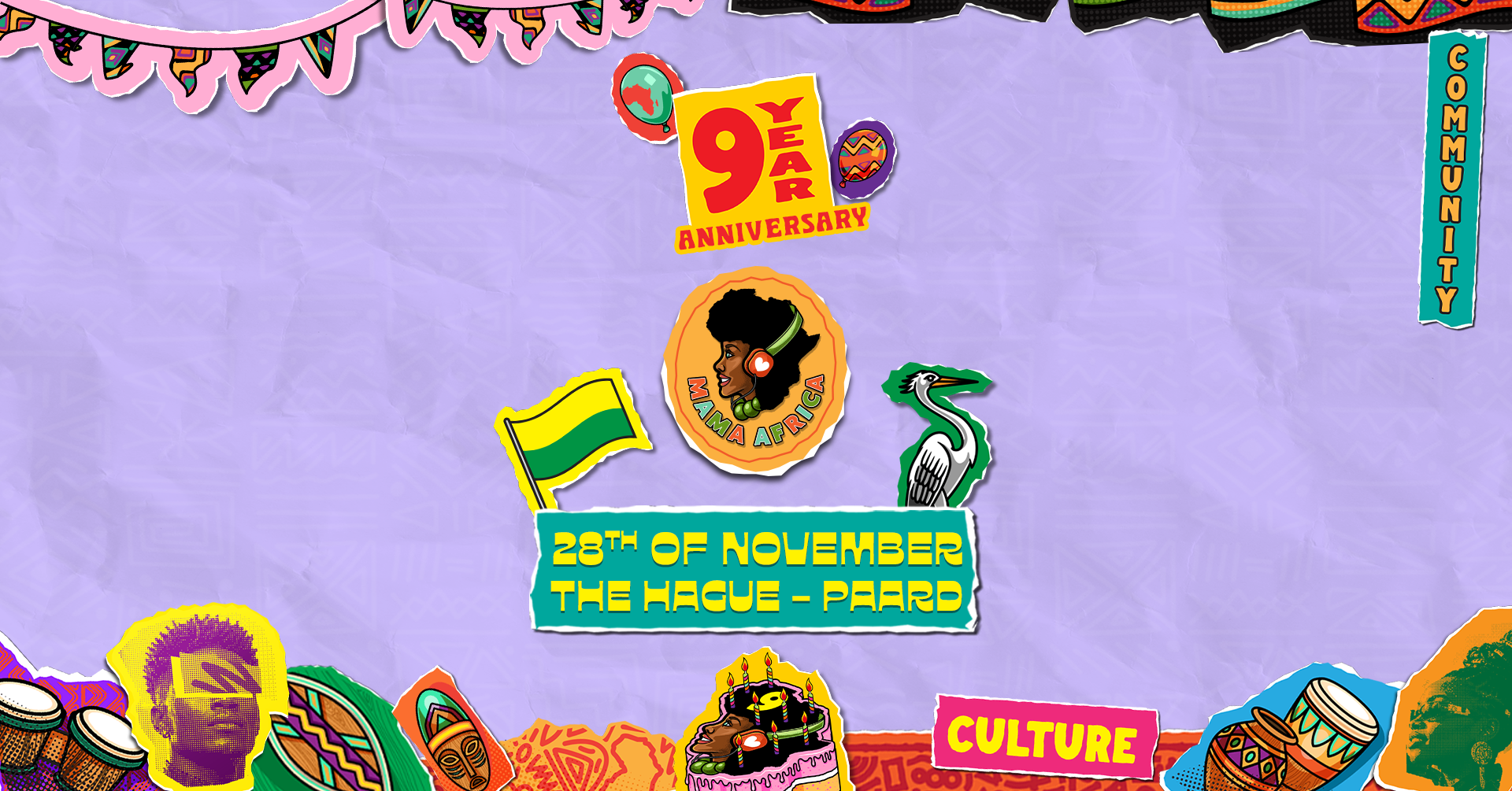
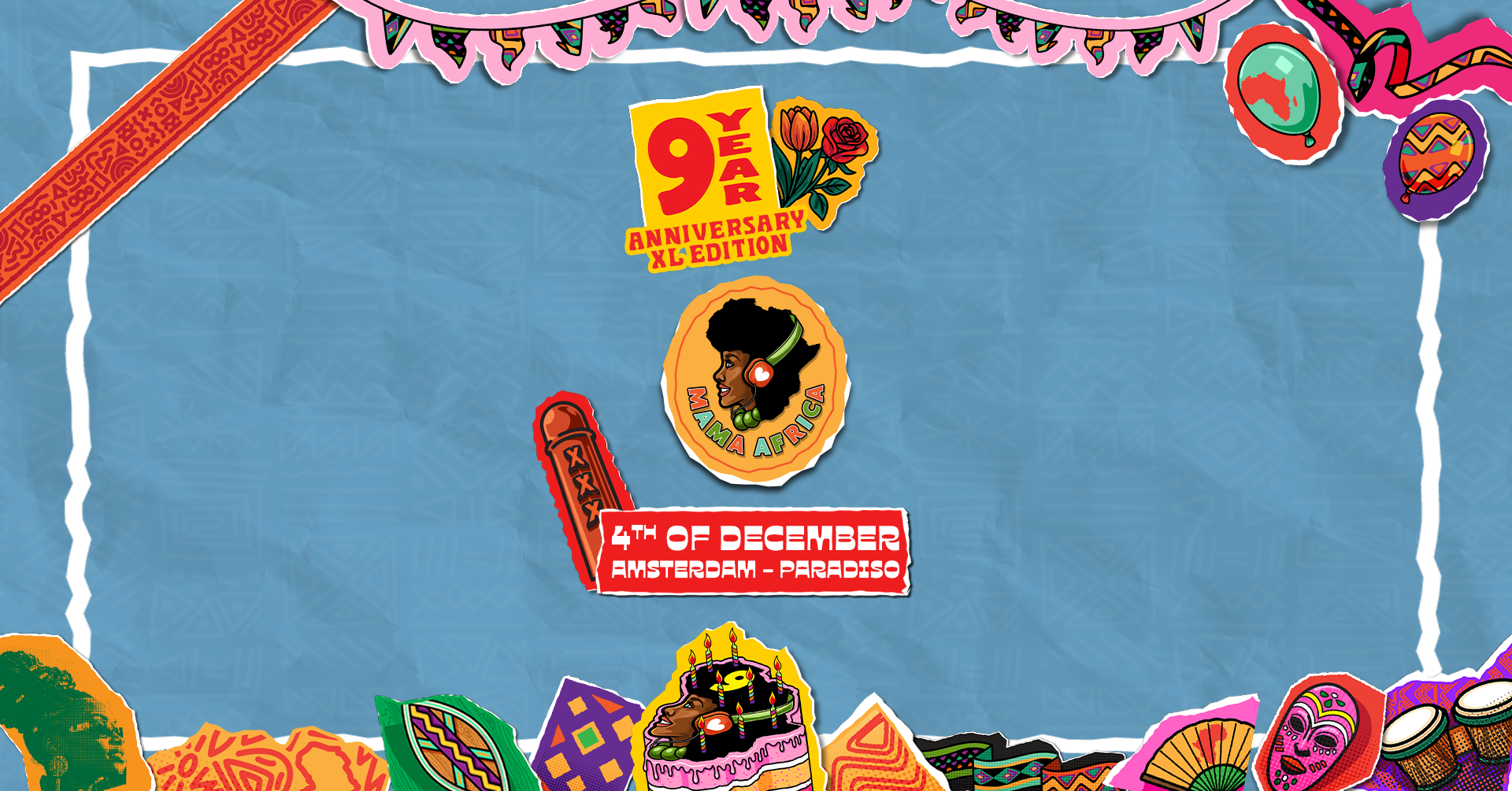
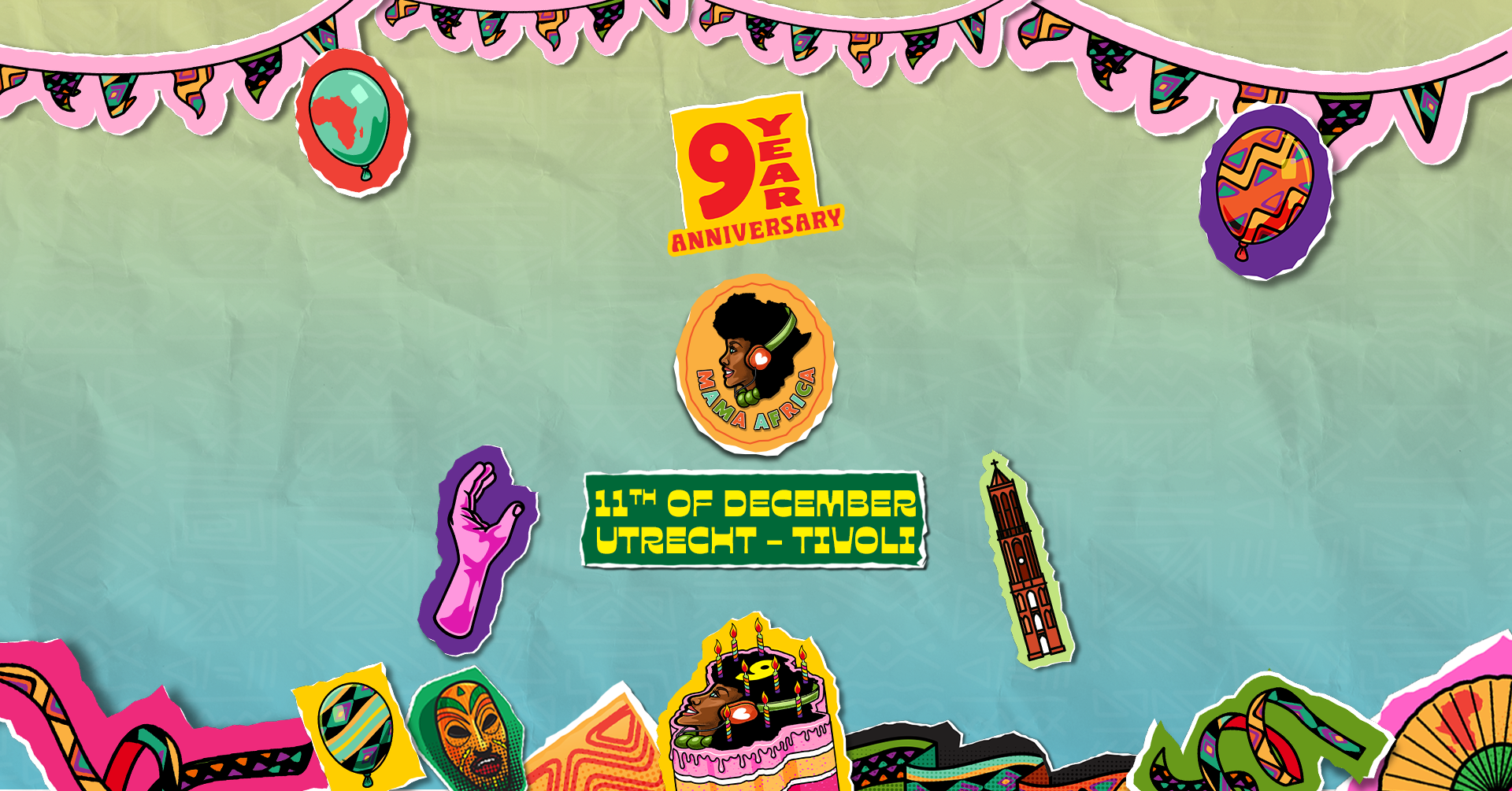
Mama Africa, the LITT Events party series, has sold out nights at Paard in The Hague, Paradiso, Melkweg and AMAZE in Amsterdam and TivoliVredenburg in Utrecht. Strictly Afrobeats all night, from the first track to the last. At our special editions, Deep Origin takes over a second room with Amapiano, Afro house and Afro tech, as at the XL edition in Rotterdam (September 2024) and At The Park in The Hague. Whether an edition has one is listed on its event page. Check our Amapiano parties page or the events calendar to see where you can hear it next, and put the Mama Africa playlist on Spotify in the meantime.
Now you know what Amapiano is: come and hear it on the dance floor.
Good to know
Questions & answers
What is Amapiano?
Amapiano is a South African music genre, a slow and deep style of house with jazzy piano chords and a rolling bass called the log drum. The name roughly means "the pianos" in isiZulu.
Which country is Amapiano from?
South Africa, from the townships of Gauteng province around Johannesburg and Pretoria.
When did Amapiano start?
In the mid-2010s. It broke through across South Africa around 2019 and 2020, and worldwide after that.
What is a log drum?
The deep, percussive bass that gives Amapiano its character. It is bass and rhythm at once, playing short, deep notes.
Is Amapiano the same as Afrobeats?
No. Afrobeats comes mainly from Nigeria and Ghana and is pop music; Amapiano comes from South Africa and is house music at its core. They are often mixed, though.
Where can I hear Amapiano in the Netherlands?
At Mama Africa parties, in cities including Den Haag and Amsterdam. Check the events calendar for the next date.
What makes Mama Africa different?
Mama Africa is the first strictly Afrobeats event in the Netherlands: the main floor is all about Afrobeats, and at bigger locations there is often a second area with Amapiano by Deep Origin. With that concept Mama Africa sold out nights at Paard (The Hague), Melkweg, Paradiso and AMAZE (Amsterdam) and TivoliVredenburg (Utrecht). Mama Africa is the biggest Afrobeats party in the Benelux.
Upcoming parties
Dance with us
See you on the dance floor
All confirmed dates are in the agenda. Join the WhatsApp community for new dates and early tickets.