Mama Africa · Afro parties since 2017
What is Afrobeats? Sound, origins & music
Afrobeats is the modern pop sound of West Africa that travelled from Lagos and Accra to the rest of the world. Here is where it comes from, how to recognise it and why it is not the same as Afrobeat.
Afrobeats is the umbrella term for the modern pop music of West Africa, above all from Nigeria and Ghana. Think danceable rhythms, melodic vocals and lyrics in a mix of English, Pidgin and local languages. Artists like Wizkid, Davido and Burna Boy turned Afrobeats into a global genre over the past fifteen years. It is also the foundation of Mama Africa, the first strictly Afrobeats event in the Netherlands.
The sound and development of Afrobeats
Where does Afrobeats come from? From Nigeria and Ghana, and especially from cities like Lagos and Accra. In the 2000s, young artists there started mixing West African styles such as highlife, jùjú, fuji and Ghanaian hiplife with hip hop, R&B, dancehall and later house. The result was a new pop sound: local at its roots, but made for the club and the radio.
The name “Afrobeats” caught on in the early 2010s, especially in London, where DJs and radio hosts from the African diaspora used it for all this new West African music. British DJ Abrantee is often credited with coining the name; in 2011 he launched an Afrobeats radio show on Choice FM. So it is not a tightly defined genre but an umbrella for a whole range of sounds.
From there, things moved fast. Songs by artists like D’banj and P-Square found their way into European clubs; in 2012 D’banj reached the UK top 10 with “Oliver Twist”. In 2016, Wizkid featured on Drake’s worldwide hit “One Dance”. Burna Boy won a Grammy in 2021 for his album Twice as Tall, and in 2022 Rema released “Calm Down”, with the remix with Selena Gomez later that year, which grew into one of the biggest songs on the planet.
Why is Afrobeats so popular? A few reasons: the music is danceable without being rushed, the hooks stick, and a large African diaspora in London, Paris, Amsterdam and New York carried the songs into homes and clubs. Streaming and social media did the rest: an Afrobeats hit can now travel from Lagos to the whole world in a matter of weeks.
How to recognise the genre
You can recognise Afrobeats music by a few key ingredients:
- The rhythm. A mid-tempo groove with lots of percussion and a drum pattern that seems to sit just behind the beat. It makes you move your hips and shoulders rather than jump.
- The vocals. Melodic, often with autotune, with short, repeated hooks and call-and-response. Artists switch between English, Nigerian Pidgin, Yoruba, Igbo or Twi within a single song.
- The production. Warm basslines, guitar riffs that go back to highlife, and influences from dancehall, R&B and house. More and more often you will also hear the log drum from South African Amapiano.
That makes the Afrobeats music genre broad: from soft, romantic songs to hard-hitting club tracks.
Listening examples with context
Five songs that show what Afrobeats is:
- Wizkid: “Ojuelegba” (2014). A personal song about his tough early years in the Lagos neighbourhood of Ojuelegba; the remix with Drake and Skepta (2015) helped put Afrobeats on the international map.
- Davido: “Fall” (2017). Classic Afrobeats: relaxed tempo, catchy chorus and a hugely popular video.
- Burna Boy: “Ye” (2018). A darker, heavier sound, from his album Outside, and one of his best-known songs.
- Wizkid ft. Tems: “Essence” (2020). Smooth and sensual; shows how far Afrobeats can stretch away from the club banger.
- Rema & Selena Gomez: “Calm Down” (2022). Afrobeats as global pop.
Listen to the Mama Africa playlist on Spotify
Afrobeats is not the same as Afrobeat
One letter makes a big difference. Afrobeat (no s) is the style Fela Kuti made famous in 1970s Lagos, together with drummer Tony Allen: long tracks with horns, funk, jazz and sharp political lyrics. Afrobeats (with an s) is the modern pop sound that came much later; it is inspired by Fela but sounds very different: shorter songs, more singing, more club.
Then there is Amapiano, which comes not from West Africa but from South Africa, and is house music at its core, with the log drum as its signature. Afrobeats and Amapiano are mixed more and more, though. Read more in what is Amapiano.
Discover Afrobeats parties by Mama Africa
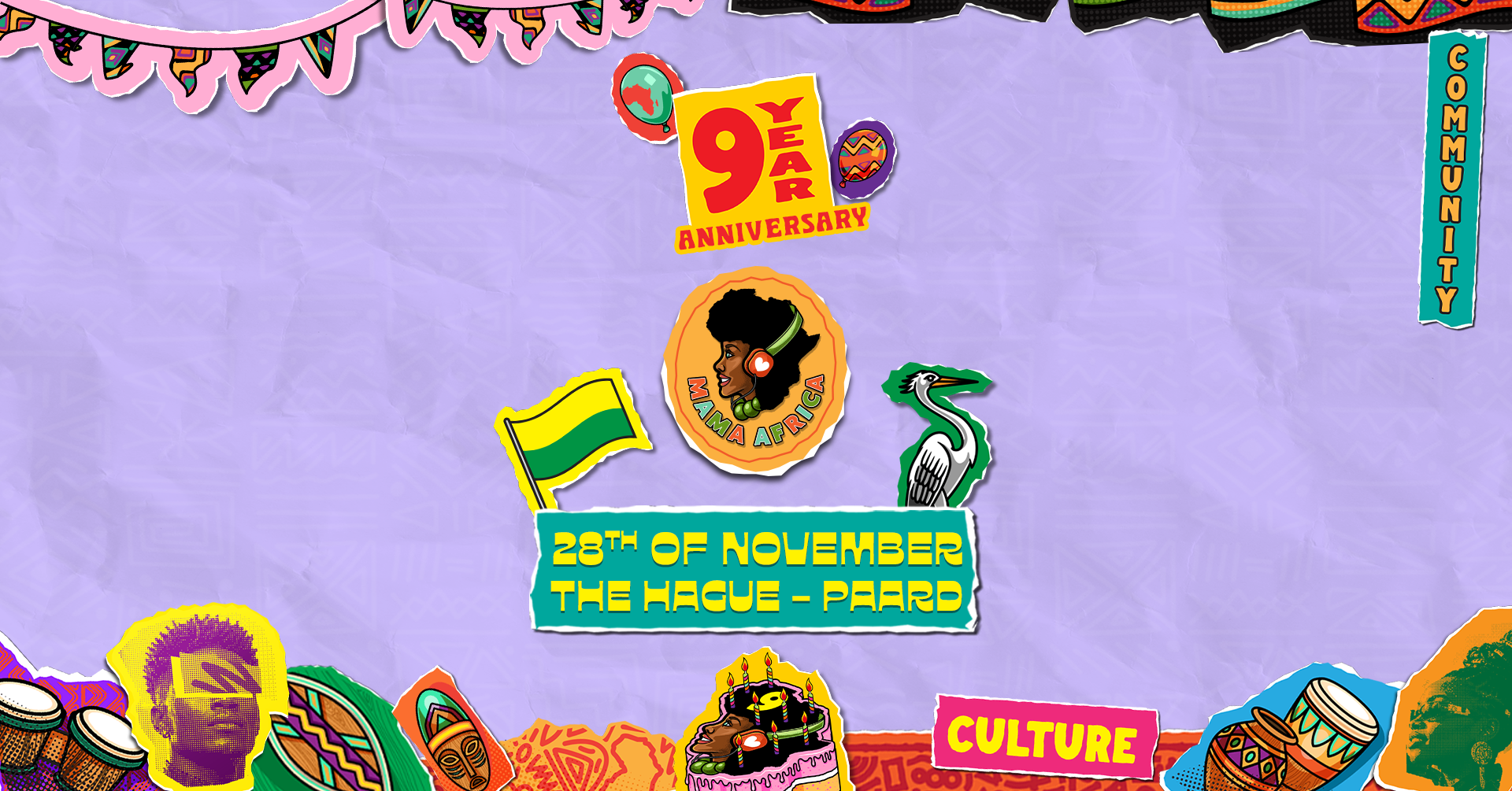
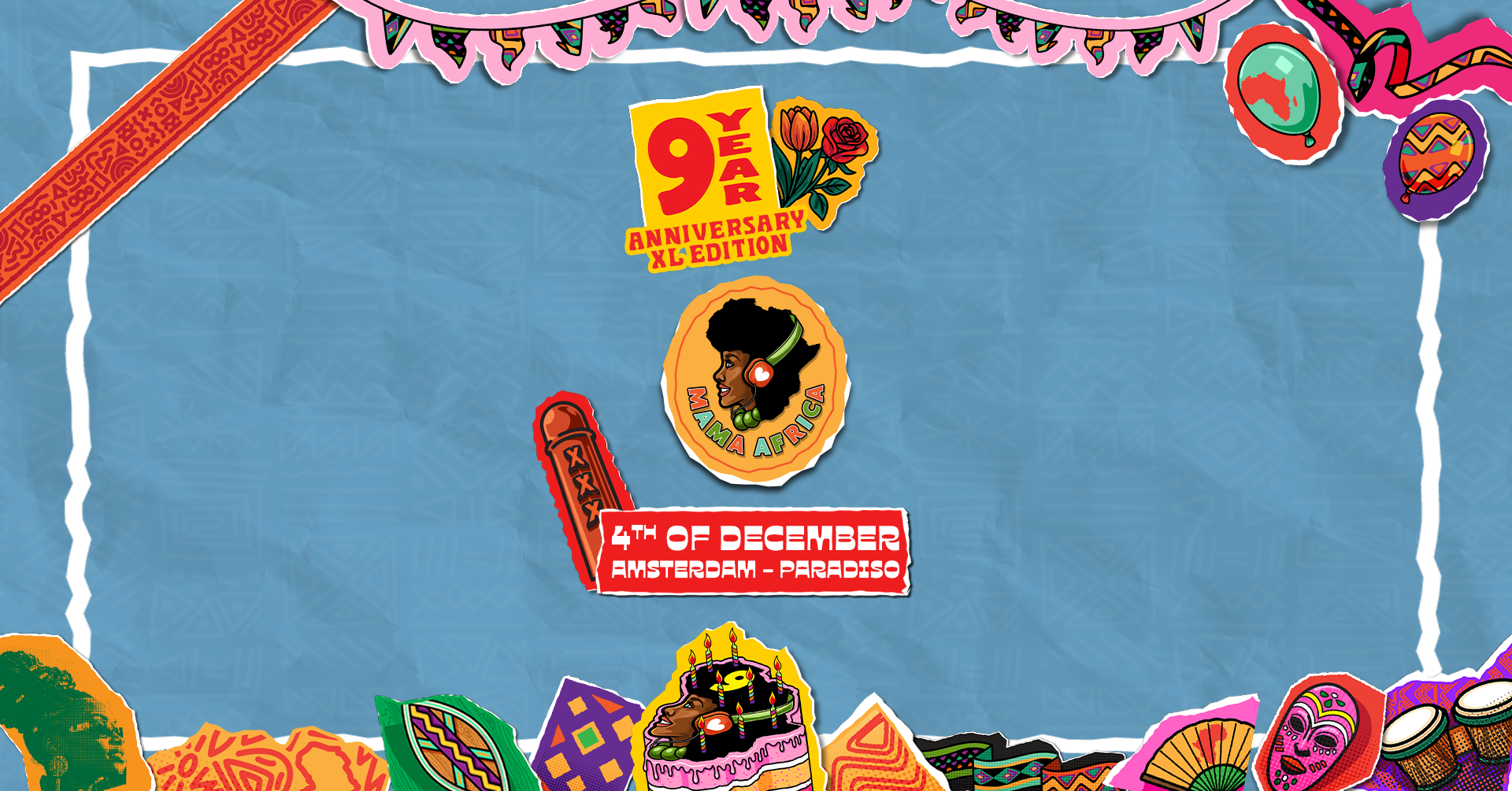
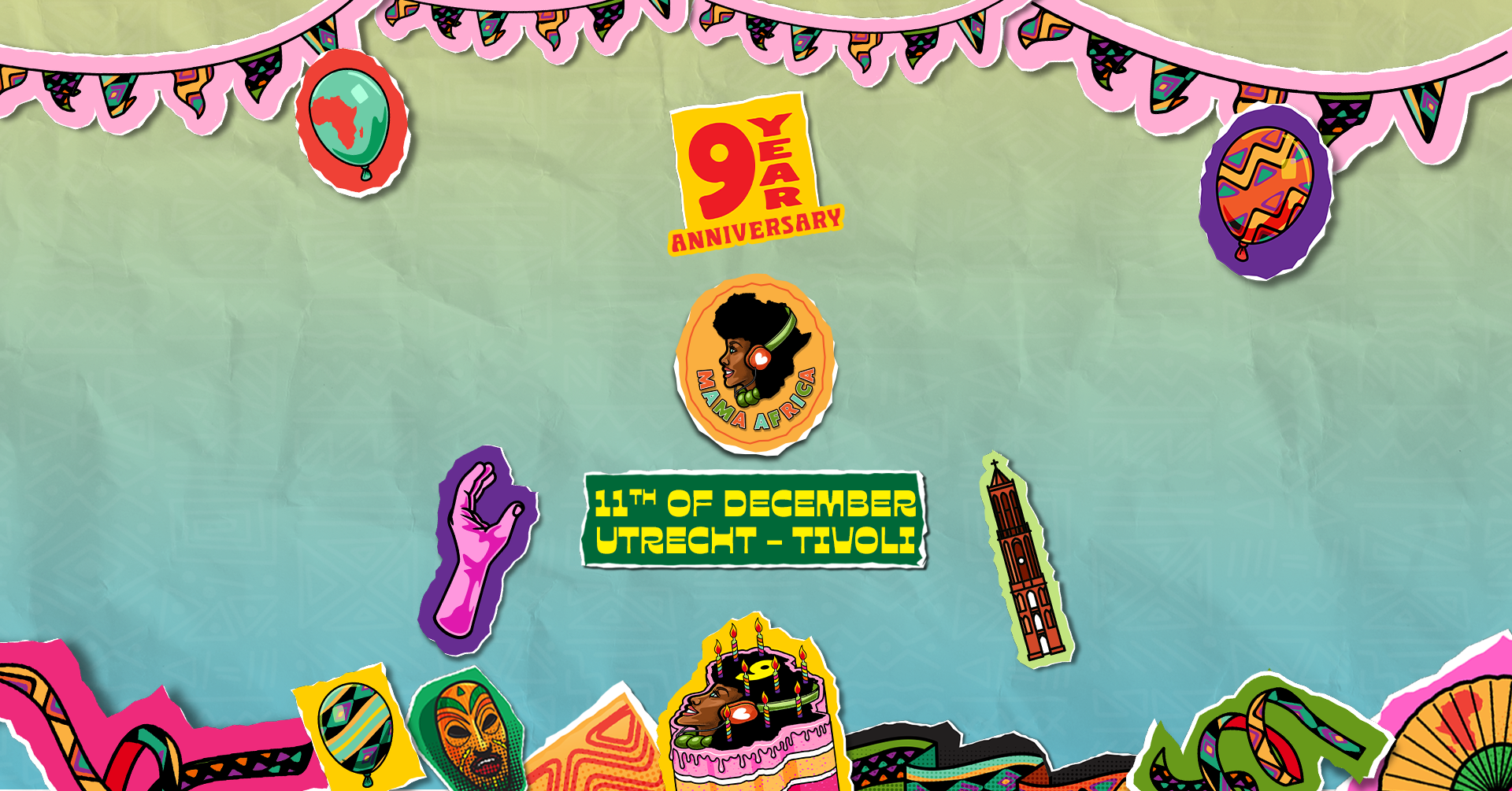
Afrobeats is the backbone of Mama Africa, the LITT Events party series that started in The Hague in 2017 and has since sold out nights at Paard in The Hague, Paradiso, Melkweg and AMAZE in Amsterdam and TivoliVredenburg in Utrecht. At a Mama Africa night you hear the big Afrobeats anthems and the newest releases, mixed with other African styles: Azonto from Ghana, Kuduro from Angola, Coupé Décalé from Côte d’Ivoire and Ndombolo from Congo. From the classics you grew up with to the bangers of right now. Strictly Afrobeats all night, from the first track to the last. At our special editions, Deep Origin takes over a second room with Amapiano, Afro house and Afro tech.
Mama Africa plays cities including Den Haag, Amsterdam, Utrecht and Rotterdam. Prefer Amapiano? Check out our Amapiano parties. And to get in the mood at home, play the Mama Africa playlist on Spotify.
Now you know what Afrobeats is: come and feel it on the dance floor.
Good to know
Questions & answers
What is Afrobeats?
Afrobeats is the umbrella term for modern pop music from West Africa, mainly Nigeria and Ghana. It blends local styles such as highlife and fuji with hip hop, R&B and dancehall.
Where is Afrobeats from?
From Nigeria and Ghana, with Lagos and Accra as its main cities. The name came into use in the early 2010s, especially in London.
What is the difference between Afrobeat and Afrobeats?
Afrobeat (no s) is Fela Kuti's 1970s style, with horns, funk and political lyrics. Afrobeats (with an s) is the modern West African pop of artists like Wizkid and Burna Boy.
Why is Afrobeats so popular?
Because the music is danceable and catchy, and because the African diaspora, streaming and social media spread the songs around the world quickly.
Is Amapiano a type of Afrobeats?
No. Amapiano comes from South Africa and is a form of house music. Afrobeats and Amapiano are often mixed, though. At our special editions, Deep Origin takes over a second room with Amapiano, Afro house and Afro tech.
Where can I dance to Afrobeats in the Netherlands?
At Mama Africa parties, in cities including Den Haag, Amsterdam and Utrecht. Check the events calendar for the next date.
What makes Mama Africa different?
Mama Africa is the first strictly Afrobeats event in the Netherlands: the whole night is about Afrobeats and African club music, from the classics to the newest releases. With that concept Mama Africa sold out nights at Paard (The Hague), Melkweg, Paradiso and AMAZE (Amsterdam) and TivoliVredenburg (Utrecht). Mama Africa is the biggest Afrobeats party in the Benelux.
Upcoming parties
Dance with us
See you on the dance floor
All confirmed dates are in the agenda. Join the WhatsApp community for new dates and early tickets.